
South Africa’s commercial and industrial (C&I) sector is entering a new era of energy procurement. Rising electricity costs, persistent supply constraints and increasingly stringent global carbon regulations are transforming renewable energy from a sustainability initiative into a strategic business imperative.
At the centre of this shift is the growing adoption of Power Purchase Agreements (PPAs), which enable businesses to access reliable renewable electricity without the capital investment and operational responsibility of owning generation assets.
Rather than viewing energy simply as an operating cost, forward-looking organisations are using PPAs to improve cost certainty, preserve capital, reduce operational risk and strengthen long-term competitiveness.
Businesses that treat renewable energy as a strategic investment - rather than simply a utility cost – are better positioned to reduce risk exposure, improve cost stability and strengthen competitive advantage over the long-term.
And for exporters – particularly those serving European markets – this has direct bottom-line implications as the EU’s Carbon Border Adjustment Mechanism (CBAM) begins to reshape the cost of carbon-intensive production.
A changing model
For years, renewable energy has largely been synonymous with rooftop solar – an upfront capital investment that sits on the balance sheet, depreciates over time and requires ongoing maintenance.
That model is changing. Increasingly, businesses are turning to PPAs to secure a renewable electricity supply.
Rather than owning the generation assets, companies purchase the electricity they consume under a long-term agreement, preserving capital and providing greater certainty over future energy costs.
According to Deloitte, the PPA model is becoming the global standard for capital-intensive industries.
Moving beyond the Capex model
Owning solar assets carries several long-term considerations.
Capital invested in energy infrastructure cannot be deployed elsewhere, whether for production expansion, research and development or market growth.
At the same time, solar and battery technologies continue to evolve, increasing the risk of technological obsolescence over the life of an asset. Long-term PPAs can mitigate this through augmentation provisions that allow technology upgrades over time.
Asset ownership also places responsibility for operating and maintaining the generation plant on the business, adding complexity beyond its core operations.
By contrast, a PPA shifts electricity from a capital expenditure (Capex) to an operating expenditure (Opex), with businesses paying only for the electricity consumed under a predictable pricing structure.
Bottom line – business offtakers are generally not energy experts. Managing, optimising and managing an energy-producing asset is not their core business, nor should it be their core function and by leaving it to the right partner will future-proof peace of mind.
South Africa’s energy landscape
The country’s unreliable electricity supply sustained double-digit tariff increases and seasonal price pressures (over winter) have strengthened the business case for PPAs.
A fixed contractual pricing structure enables companies to replace unpredictable electricity cost increases with greater long-term cost certainty, supporting financial planning and operational resilience.
Preserving capital while reducing risk
For energy-intensive businesses, an off-site PPA offers an alternative to owning renewable generation assets.
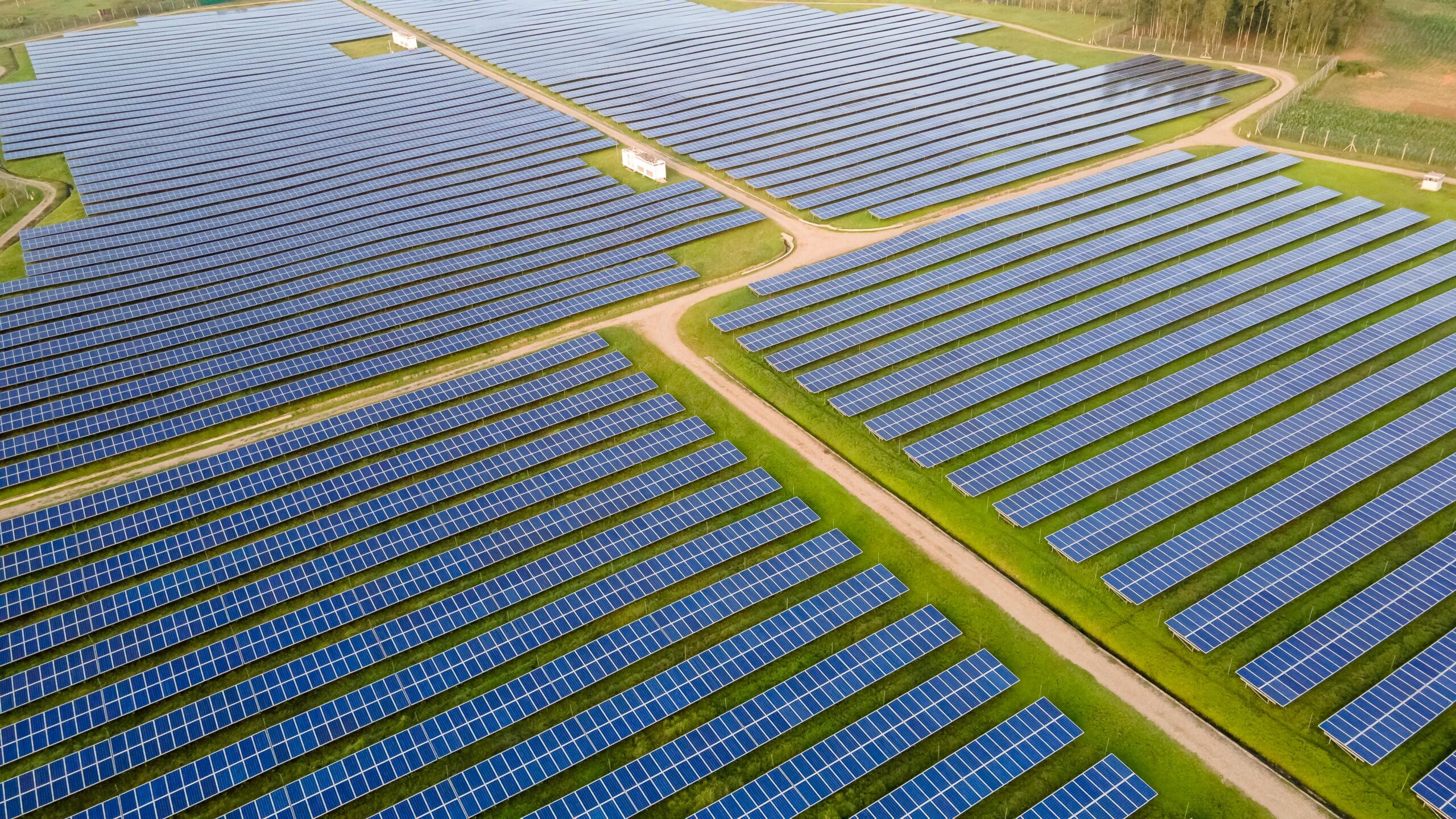
Under this model, Red Rocket as an energy provider and GenTrader also develops, owns and operates the renewable facility, while the customer purchases the electricity generated.
This approach enables businesses to preserve capital for core operations while the asset ownership and performance risk sits with the energy provider.
It also provides access to verified renewable electricity that supports corporate sustainability and ESG objectives.
How renewable electricity can help South African exporters stay ahead of carbon border taxes
For South Africa’s energy-intensive industries – from steel and cement to mining and manufacturing – the carbon intensity of production is becoming as important as the quality of the final product.
CBAM (Carbon Border Adjustment Mechanism) is reshaping international trade by applying a carbon price to imported goods. For exporters that rely on coal-fired electricity or carbon-intensive production, doing business in Europe is likely to become significantly more expensive.
For South African businesses, this is a challenge and an opportunity. Decarbonising operations is no longer simply an ESG objective – it is becoming a commercial imperative that can protect market access and improve long-term competitiveness.
Carbon-intensive exports
Since 2023, exporters have been required to report the embedded emissions associated with products entering the European Union. As CBAM enters its financial implementation phase, carbon-intensive exports will increasingly face additional costs.
For sectors such as steel, cement, chemicals (all major industries in South Africa) and other energy-intensive industries, reducing emissions is becoming critical to maintaining competitiveness in international markets.
Renewable electricity as a competitive advantage
For many industrial businesses, the fastest route to decarbonisation is replacing carbon-intensive electricity with renewable energy.
By securing renewable electricity through a long-term PPA, businesses can reduce the carbon intensity of their operations while gaining greater certainty over long-term energy costs.
A GenTrader like Red Rocket develops, owns and operates utility-scale wind and solar projects, enabling commercial and industrial customers to access renewable electricity without investing in generation assets themselves.
This approach not only supports decarbonisation but also helps businesses strengthen energy security, improve cost predictability and demonstrate lower embedded emissions to international customers.
Building resilience in a changing export market
Global buyers are increasingly scrutinising the carbon footprint of supply chains.
Businesses that can demonstrate lower-emissions production are likely to be better positioned as carbon pricing mechanisms become more widespread.
For South African exporters, renewable electricity is becoming more than an energy procurement decision – it is a strategic investment in future competitiveness.
Mapping a 10-year financial showdown: Eskom vs PPA
To understand the long-term benefits, consider a manufacturing plant consuming 50GWh annually.
| Year | Projected Eskom Cost (R/kWh) * | Red Rocket PPA Rate (R/kWh) | Annual Saving (Approx.) |
|---|---|---|---|
| Year 1 | R2.15 | R1.15 | R16,500,000 |
| Year 3 | R2.74 | R1.27 | R18,700,000 |
| Year 5 | R3.49 | R1.40 | R20,600,000 |
| Year 10 | R6.58 | R1.80 | R26,300,000 |
| Life-time savings (approx.) | R138,000,000 | ||
| % RE displacement | 45% |
*Based on a 10% annual Eskom escalation vs a 5% PPA escalation for a 5-year period.
Red Rocket’s Energy Smart Roadmap
Five steps to a lower-carbon, more competitive business
- Assess your energy footprint
Understand where electricity is consumed, identify carbon-intensive operations and establish your emissions baseline. - Optimise your energy strategy
Evaluate where renewable energy, energy efficiency and demand flexibility can reduce costs, improve resilience and support decarbonisation goals. - Secure renewable energy
Implement a long-term renewable energy solution – such as a Power Purchase Agreement (PPA) – to lock in cleaner, more predictable electricity costs. - Electrify and optimise operations
Replace fossil fuel-dependent processes where feasible, integrate smart energy management and implement renewable electricity across your operations. - Strengthen business competitiveness
Lower your carbon footprint, support ESG objectives, improve resilience against rising electricity costs and strengthen your position in export markets.
Red Rocket: Your energy transition partner
Red Rocket works with commercial and industrial businesses to develop renewable energy solutions tailored to their operational requirements.
Through long-term PPAs, companies can access reliable renewable electricity, reduce exposure to rising energy costs and support their decarbonisation objectives.
Begin your renewable energy journey with Red Rocket and build a more competitive, lower-carbon future underpinned by predictable electricity costs.